Quick Verdict
Rating: ★★★★☆ (4.5/5)
Best for:
Landscapes
Travel photography
Street photography
Everyday shooting
Photographers looking for Portra-like quality on a budget
Not ideal for:
Low-light photography
Fast-moving subjects
Anyone needing a faster film speed
With film prices continuing to climb, finding an affordable colour negative film that still delivers excellent image quality is becoming increasingly difficult. Kodak ProImage 100 is one of those films that often flies under the radar, overshadowed by more popular options such as Kodak Gold 200 and Portra 160. After shooting a roll, I came away impressed.
Offering fine grain, natural colour reproduction and excellent sharpness, Kodak ProImage 100 delivers results that look clean and realistic without the premium price tag. At around £5 less per roll than Portra 160, it's also one of the best value films currently available.
What is Kodak ProImage 100?
Kodak ProImage 100 is a 35mm ISO 100 colour negative film processed using the standard C-41 process. Although originally aimed at professional photographers, it has gradually become popular thanks to its excellent image quality and relatively affordable price.
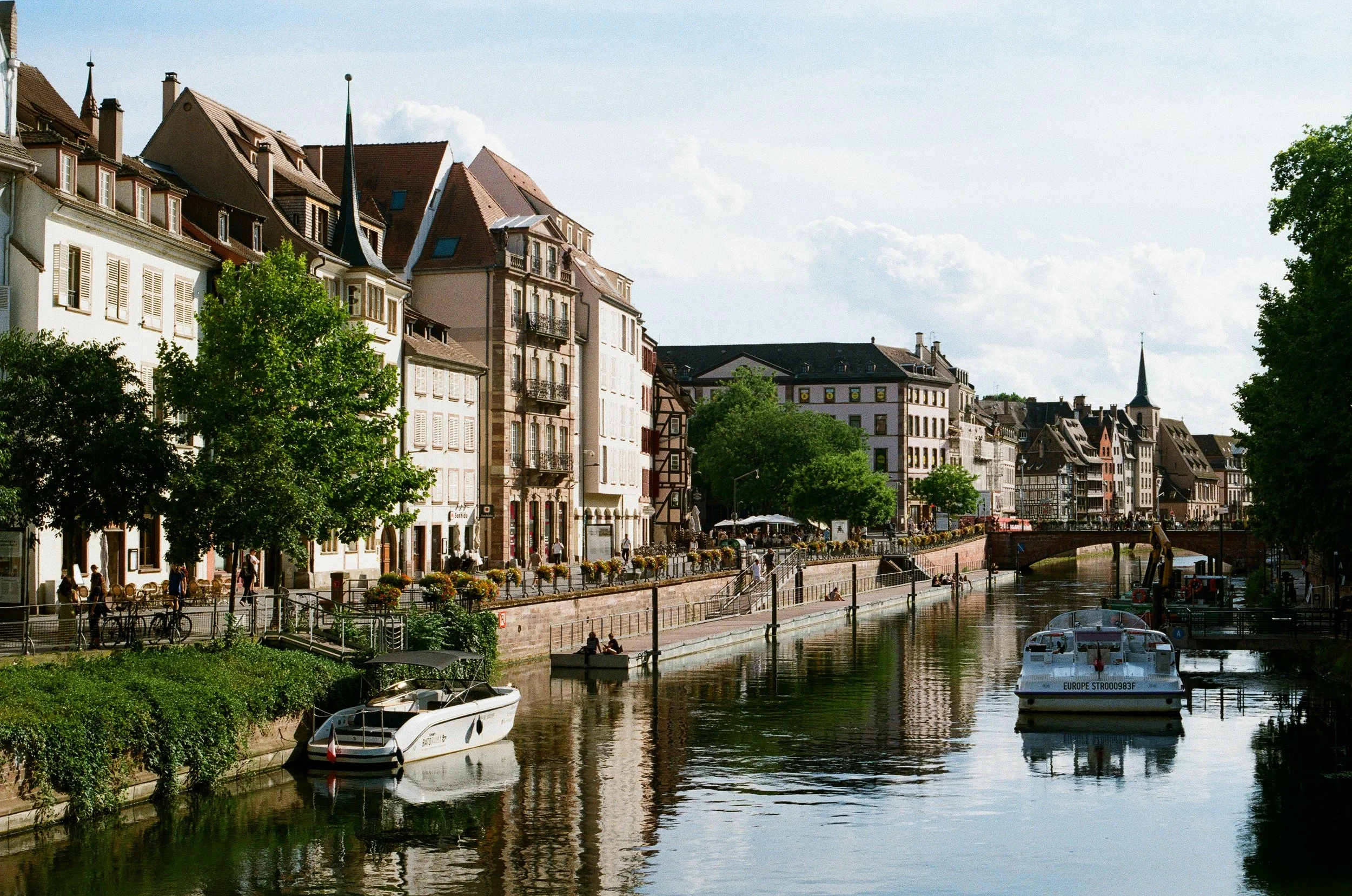
While it doesn't enjoy the same reputation as Portra, many photographers consider it one of Kodak's hidden gems.
Shooting Experience
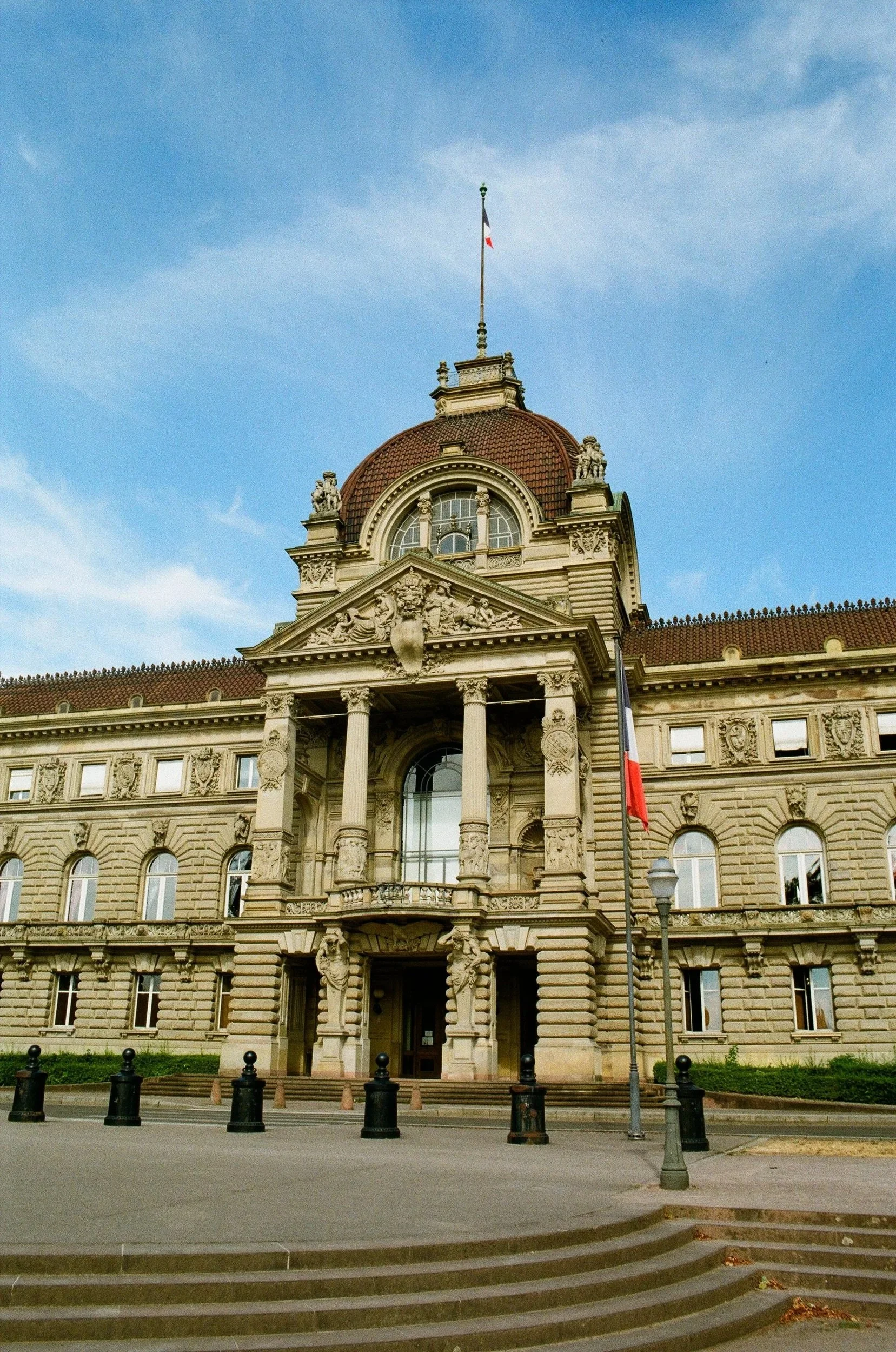
Kodak ProImage 100 is a straightforward film to shoot. With an ISO of 100, it naturally performs best outdoors in good light, making it ideal for holidays, landscapes and street photography.
The film meters predictably and produces consistent results without much effort. I found it easy to expose accurately, and even scenes with a broad range of colours and lighting retained a pleasing, balanced look.
Because of its slower speed, you'll want plenty of light or a tripod once the sun starts to set, but during daylight it is an easy film to work with.
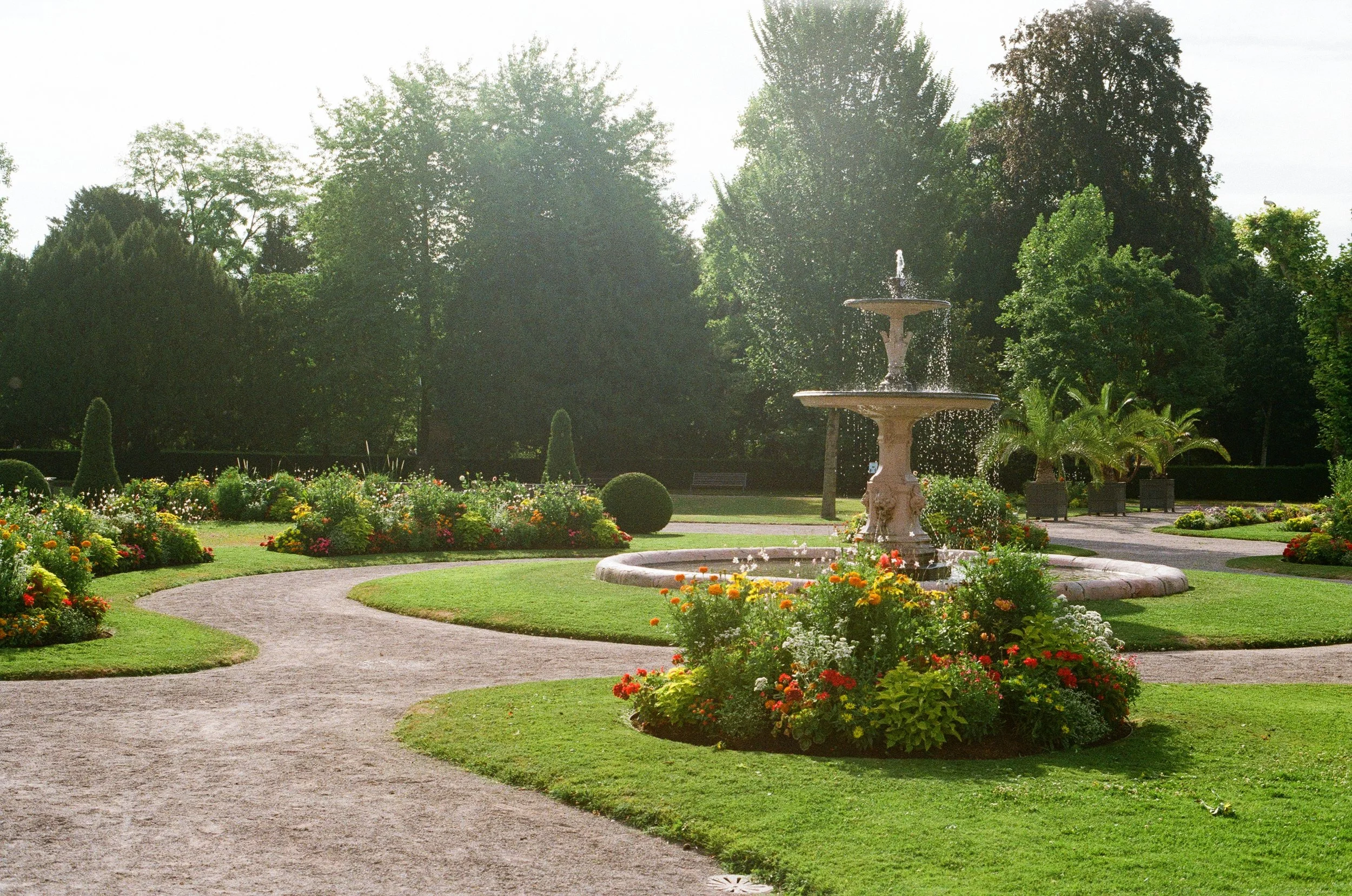
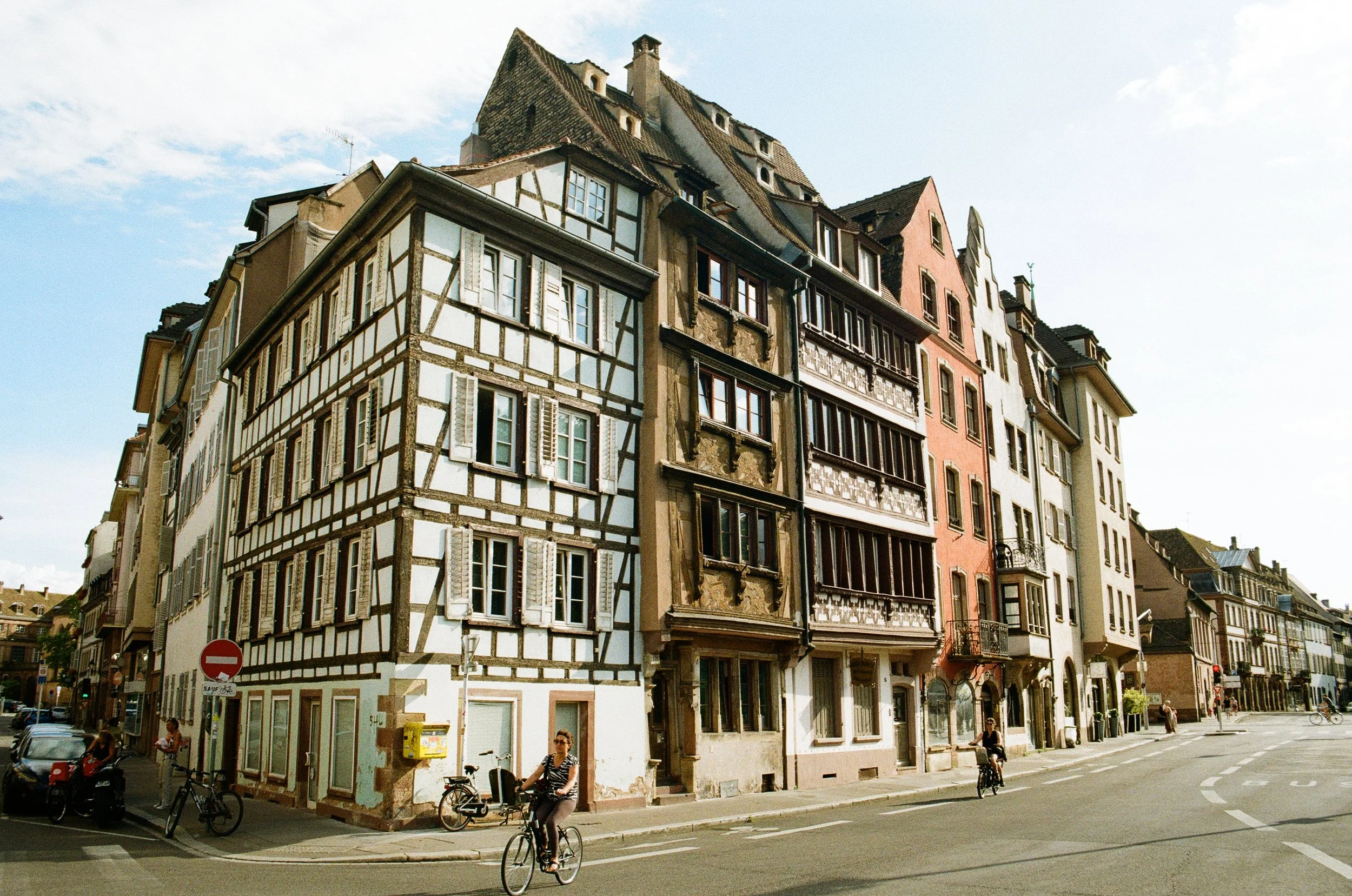
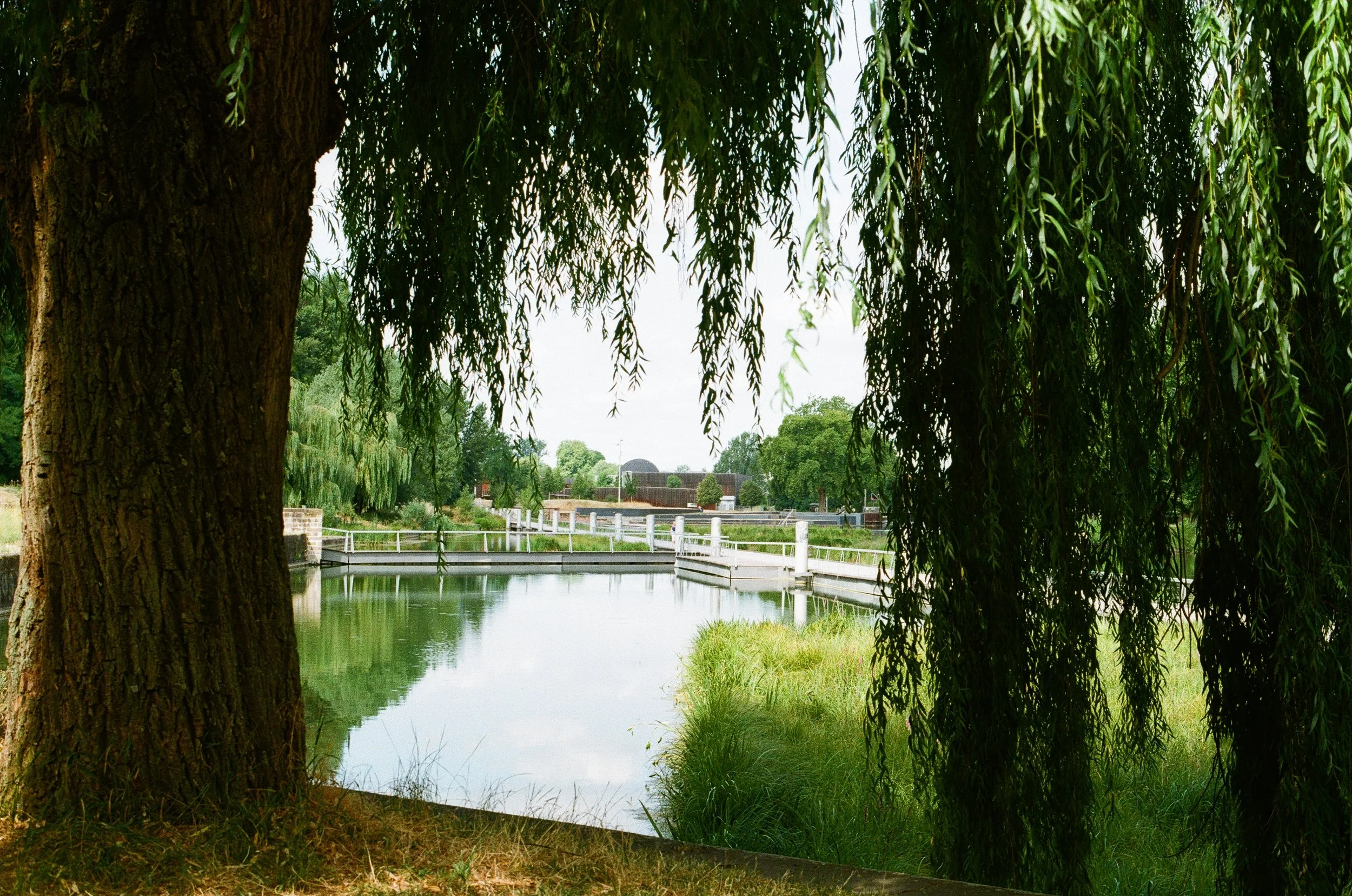
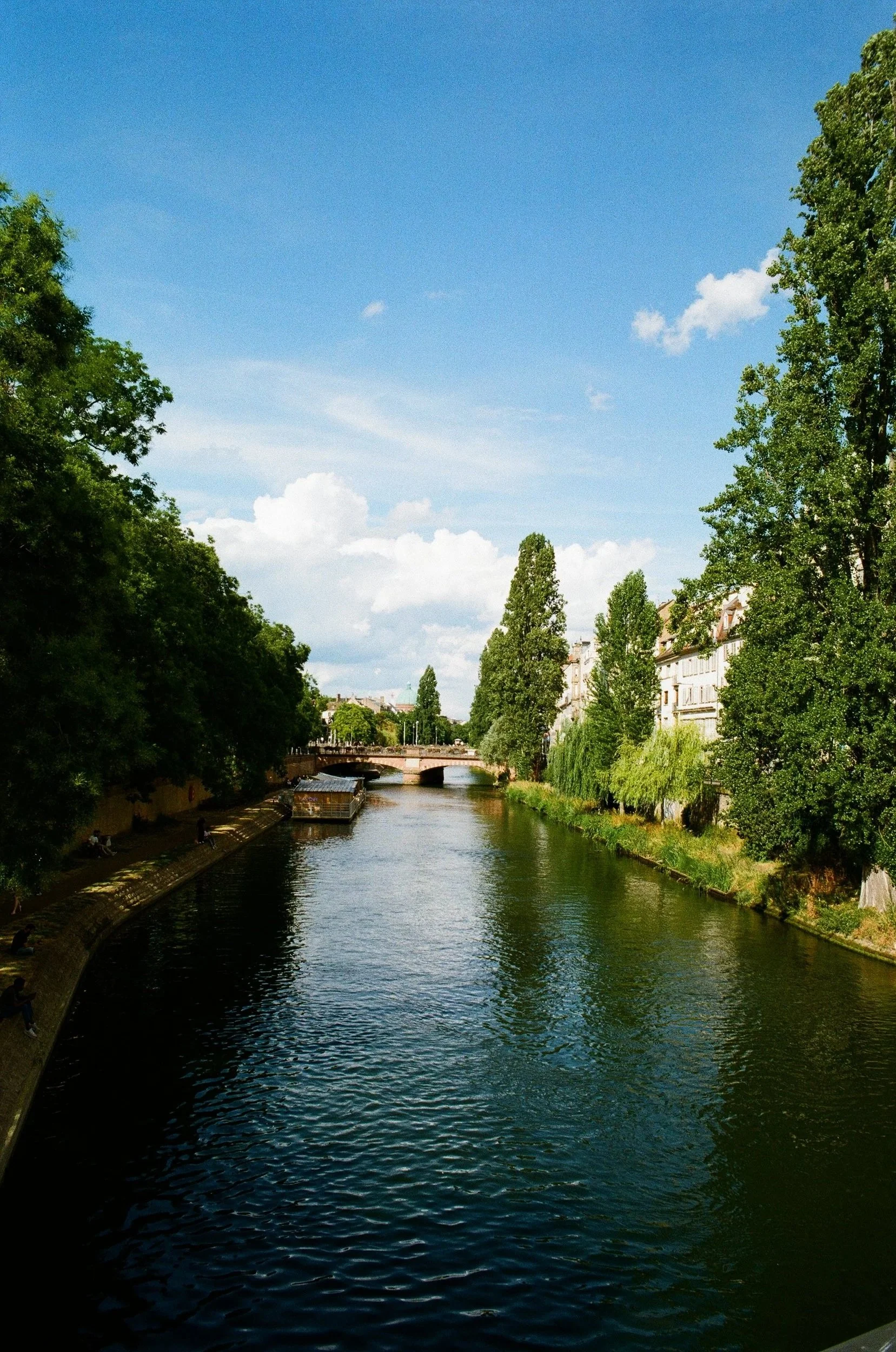
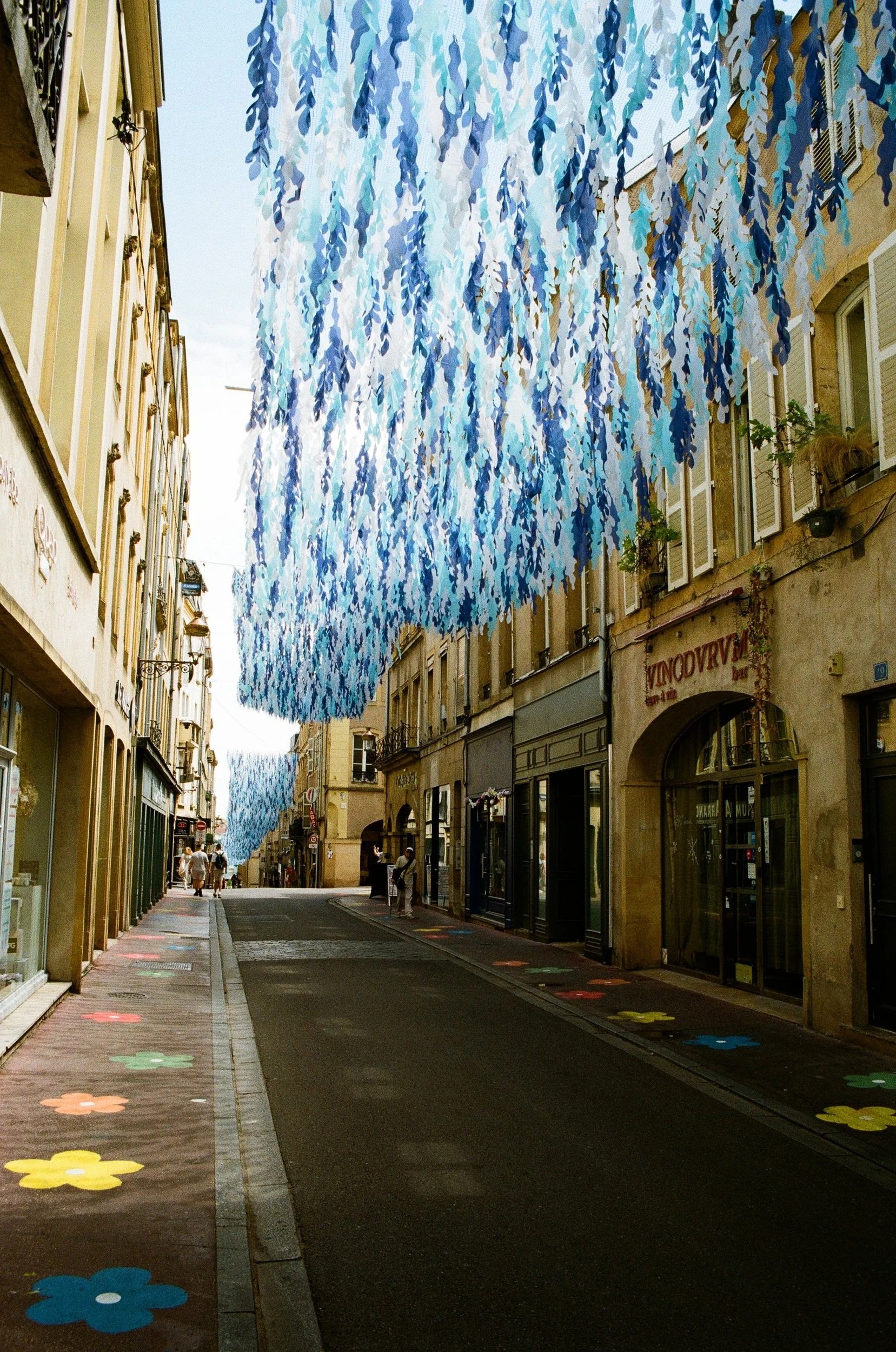
ProImage offers a very realistic and neutral colour reproduction.
Colour Rendition
One of the standout characteristics of Kodak ProImage 100 is its colour reproduction.
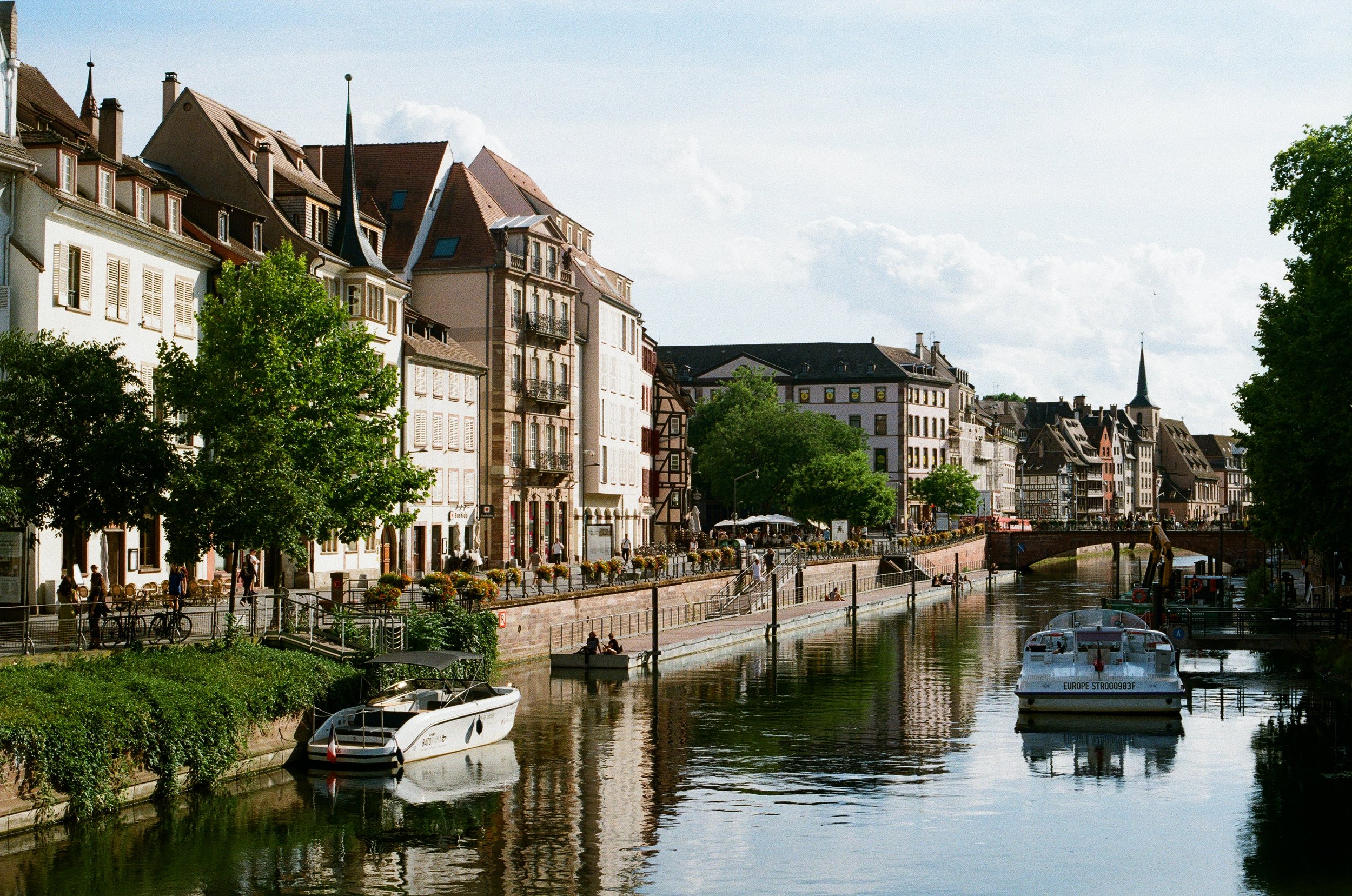
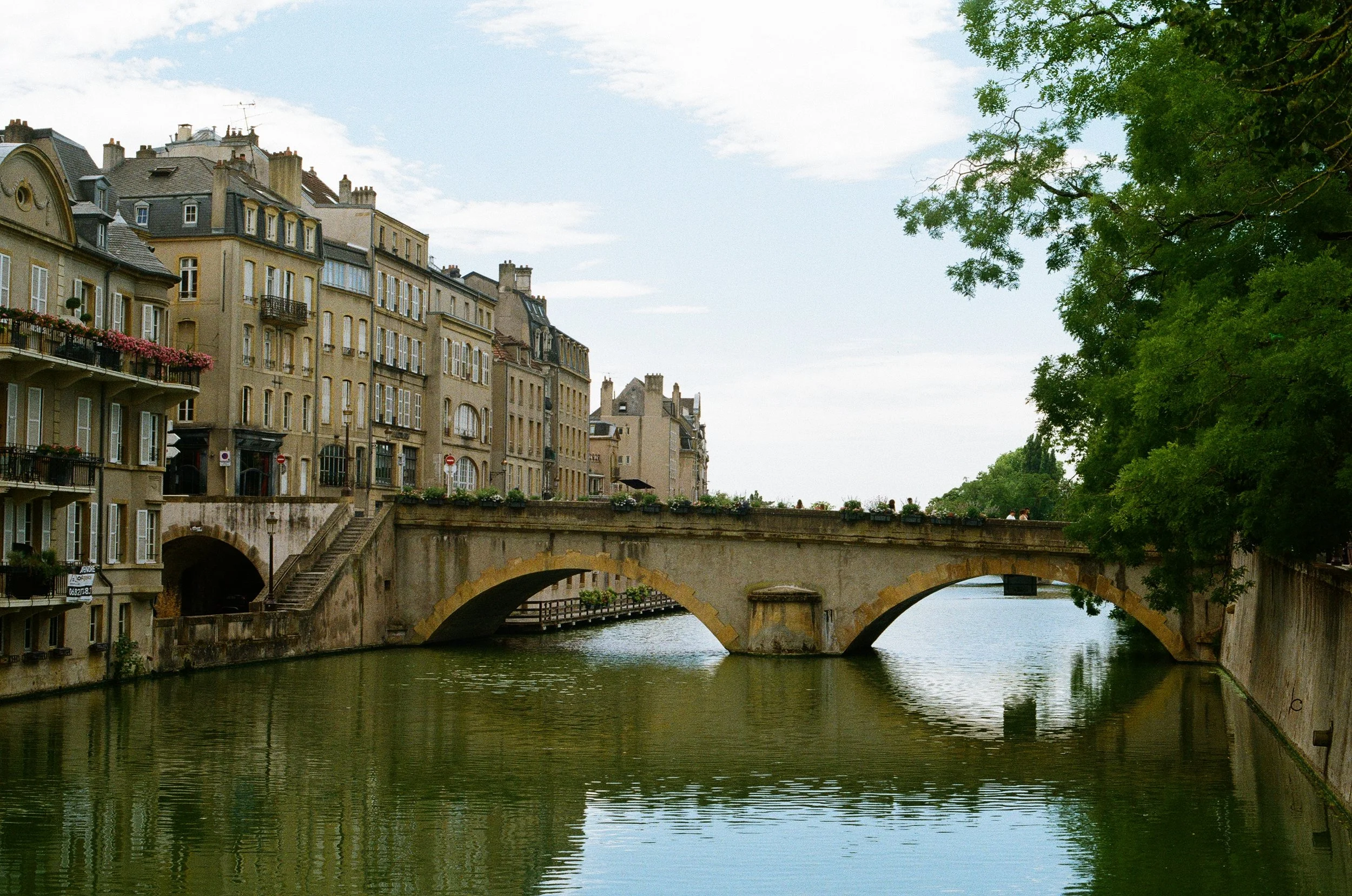
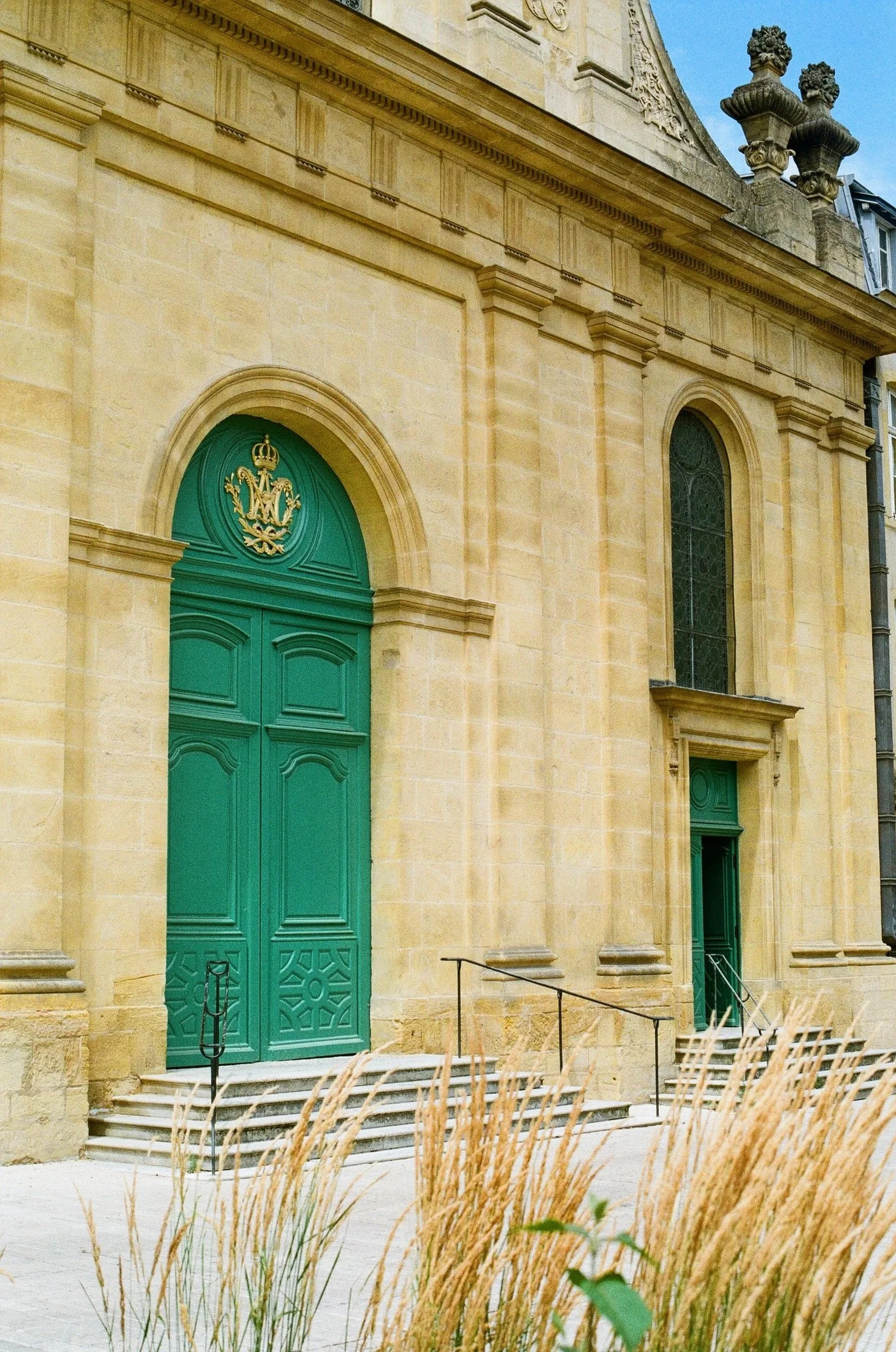
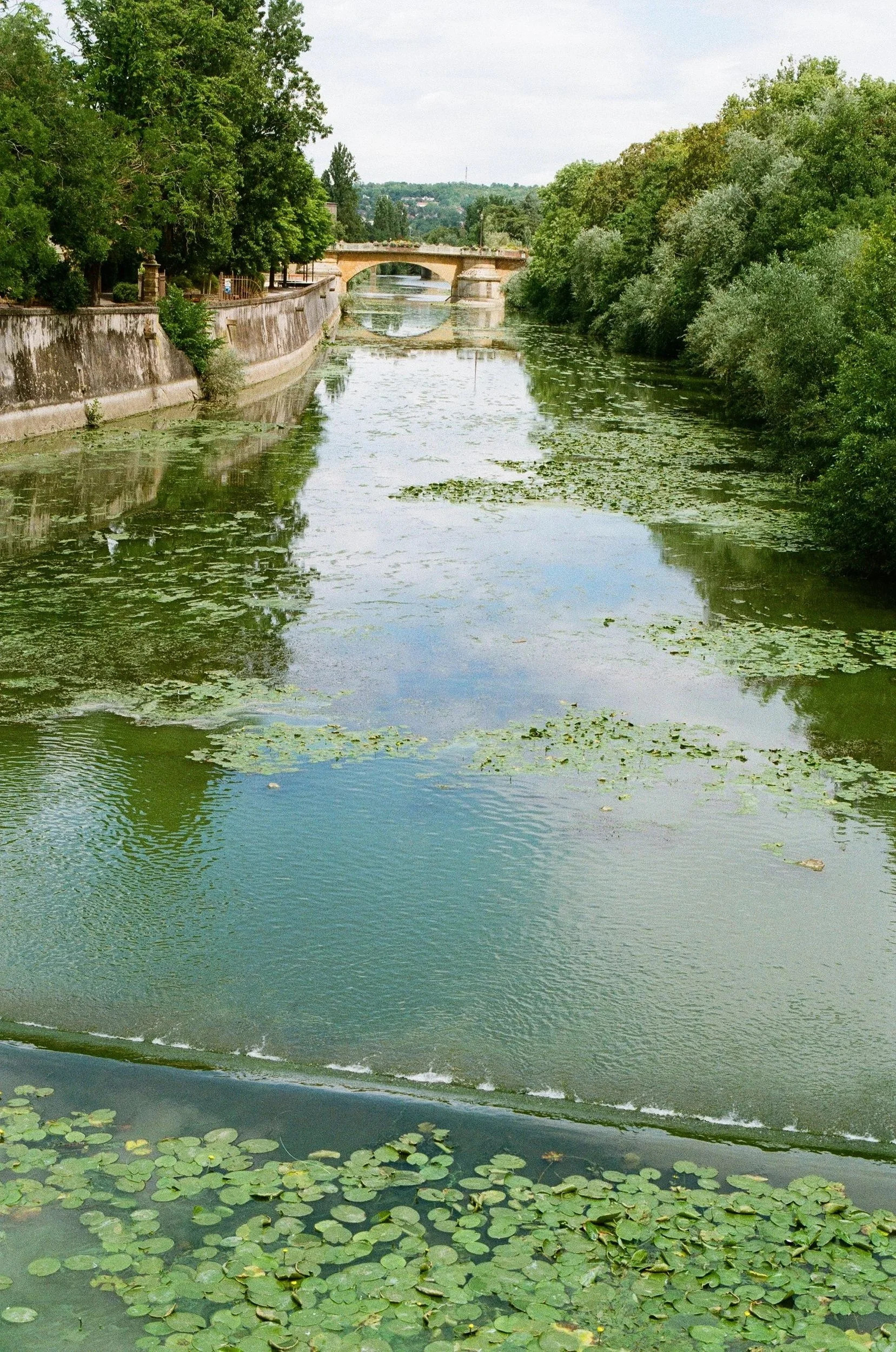
Unlike some consumer films that lean towards highly saturated or overly warm tones, ProImage produces colours that feel remarkably realistic. Blues remain clean, greens look natural and skin tones are believable without appearing overly orange or pink.
This restrained colour palette makes it a great choice if you prefer photographs that closely resemble the scene as you remember it.
Grain and Sharpness
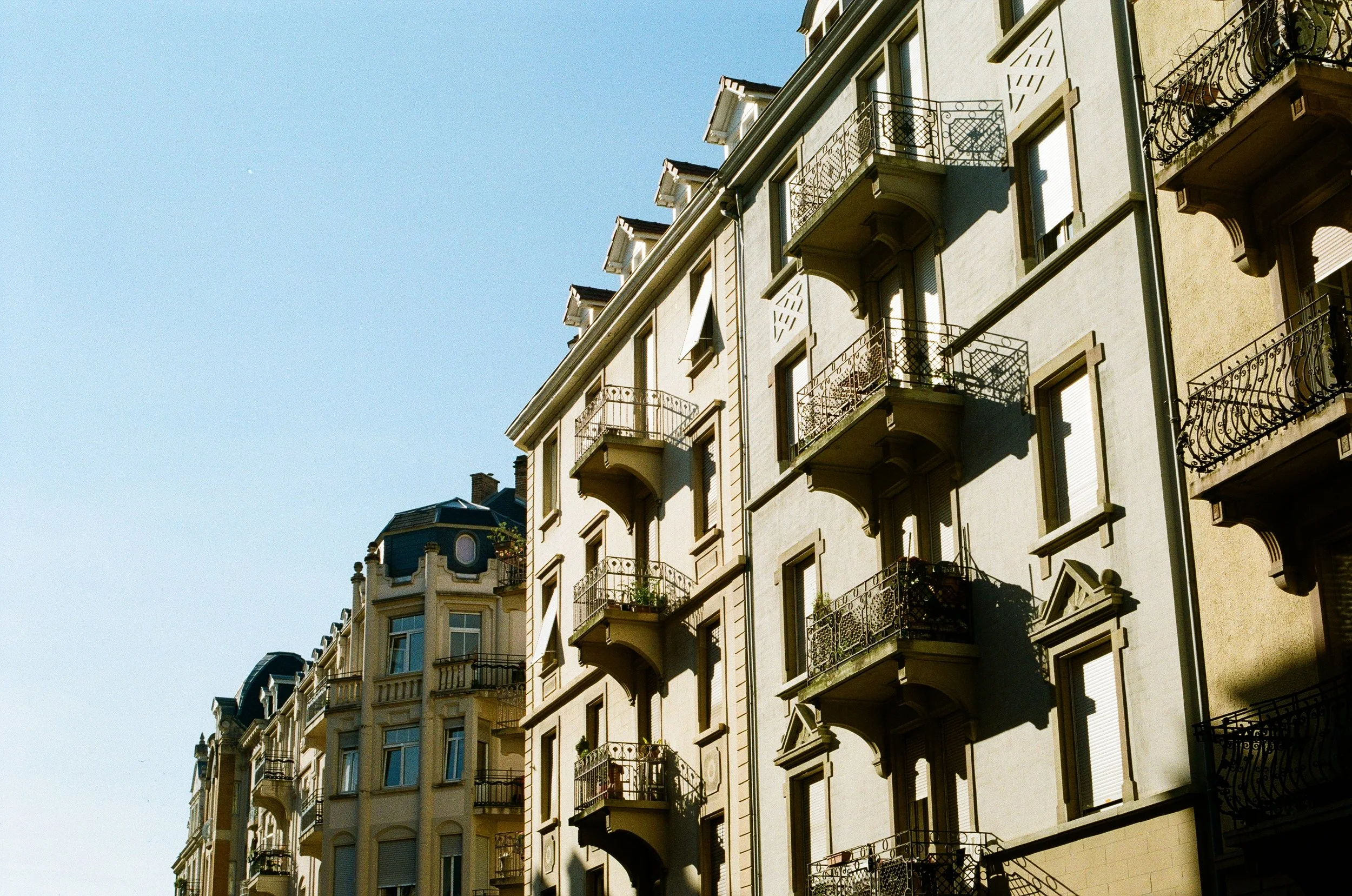
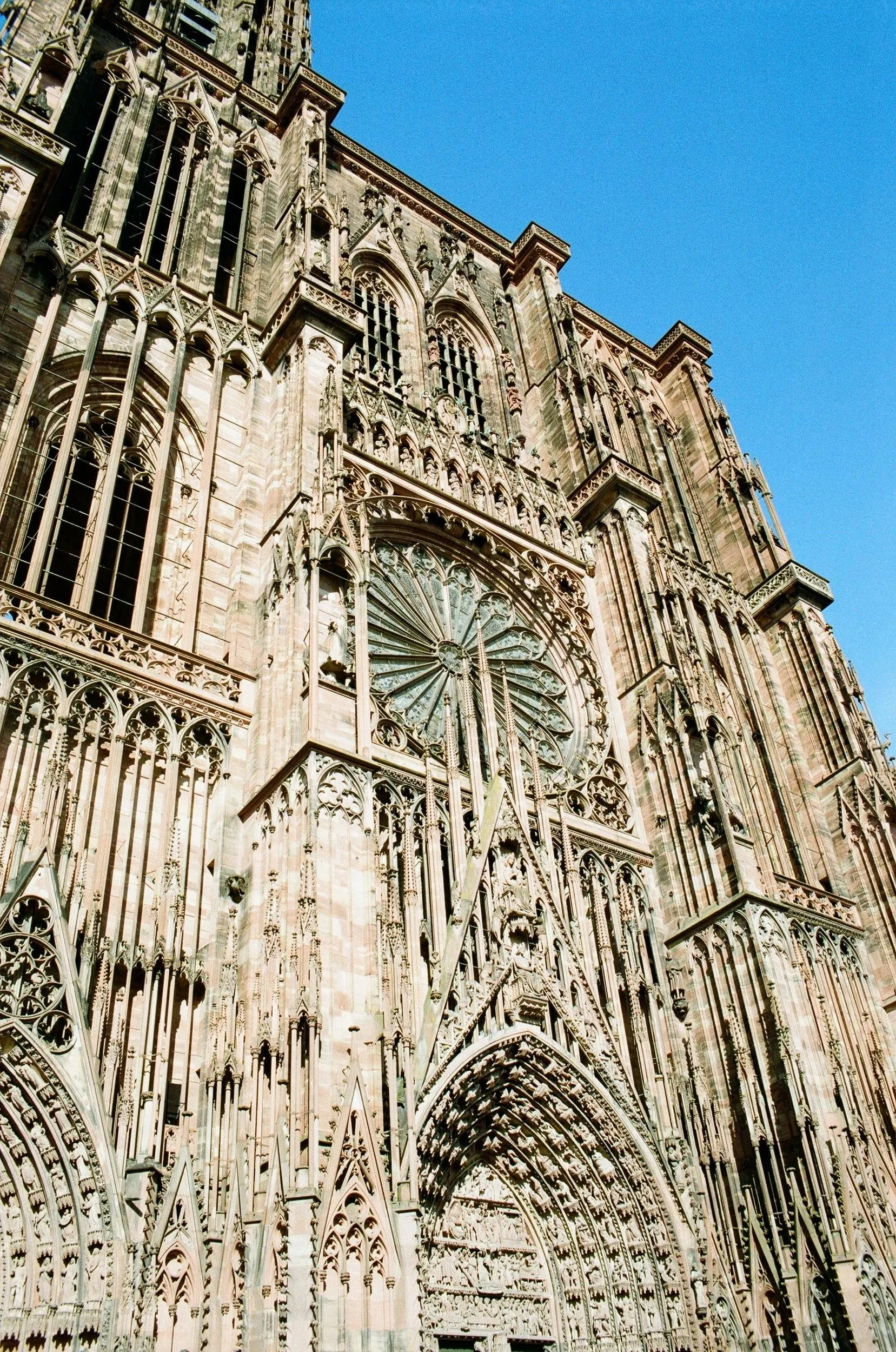
Kodak ProImage 100 has impressively fine grain, especially for a consumer-priced colour negative film.
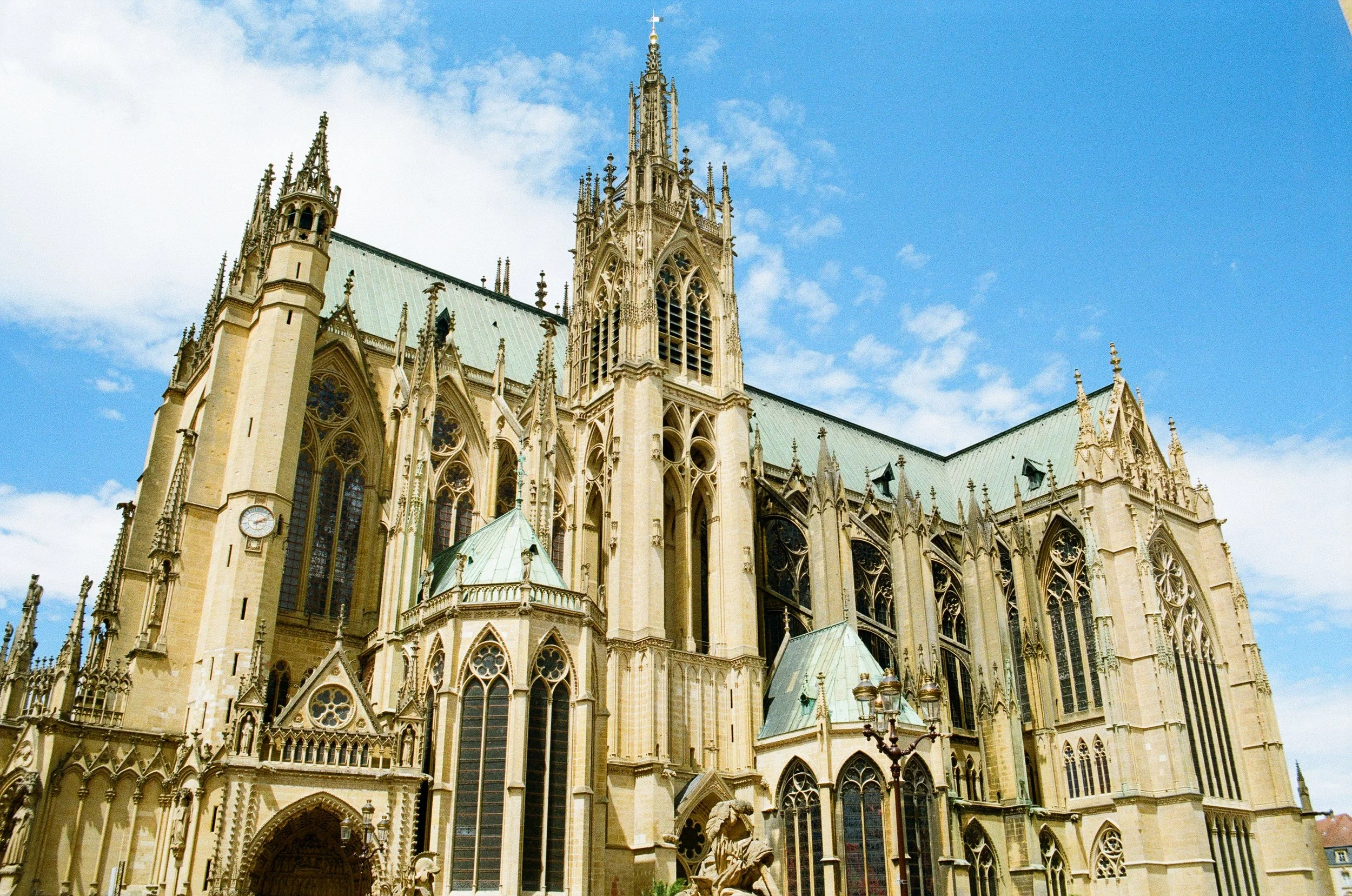
Scans retain excellent detail, and even larger enlargements hold together well. Combined with a sharp lens, the film produces crisp images with plenty of fine detail.
If you're looking for a clean, modern film aesthetic without obvious grain dominating the image, ProImage performs exceptionally well.

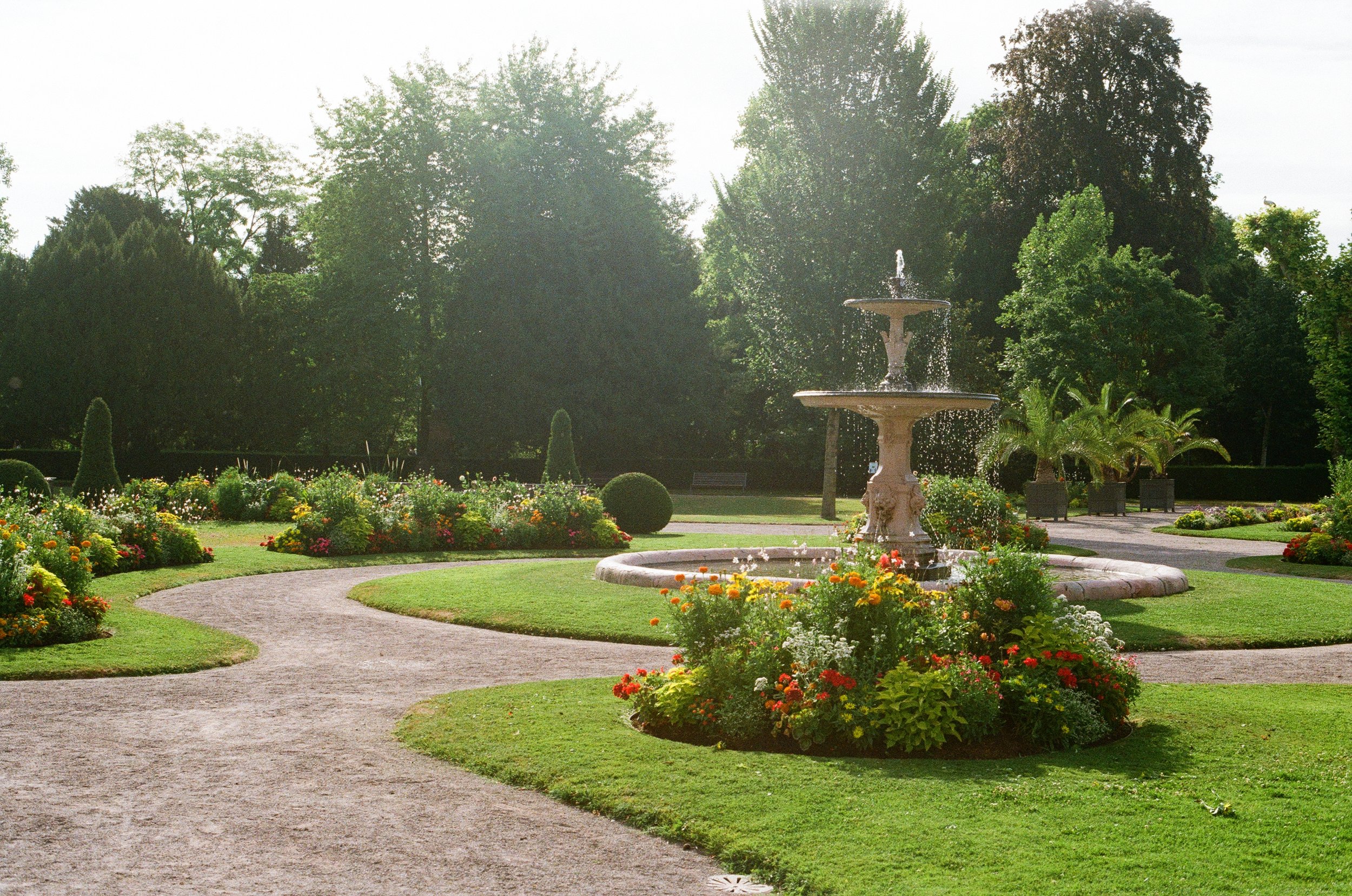
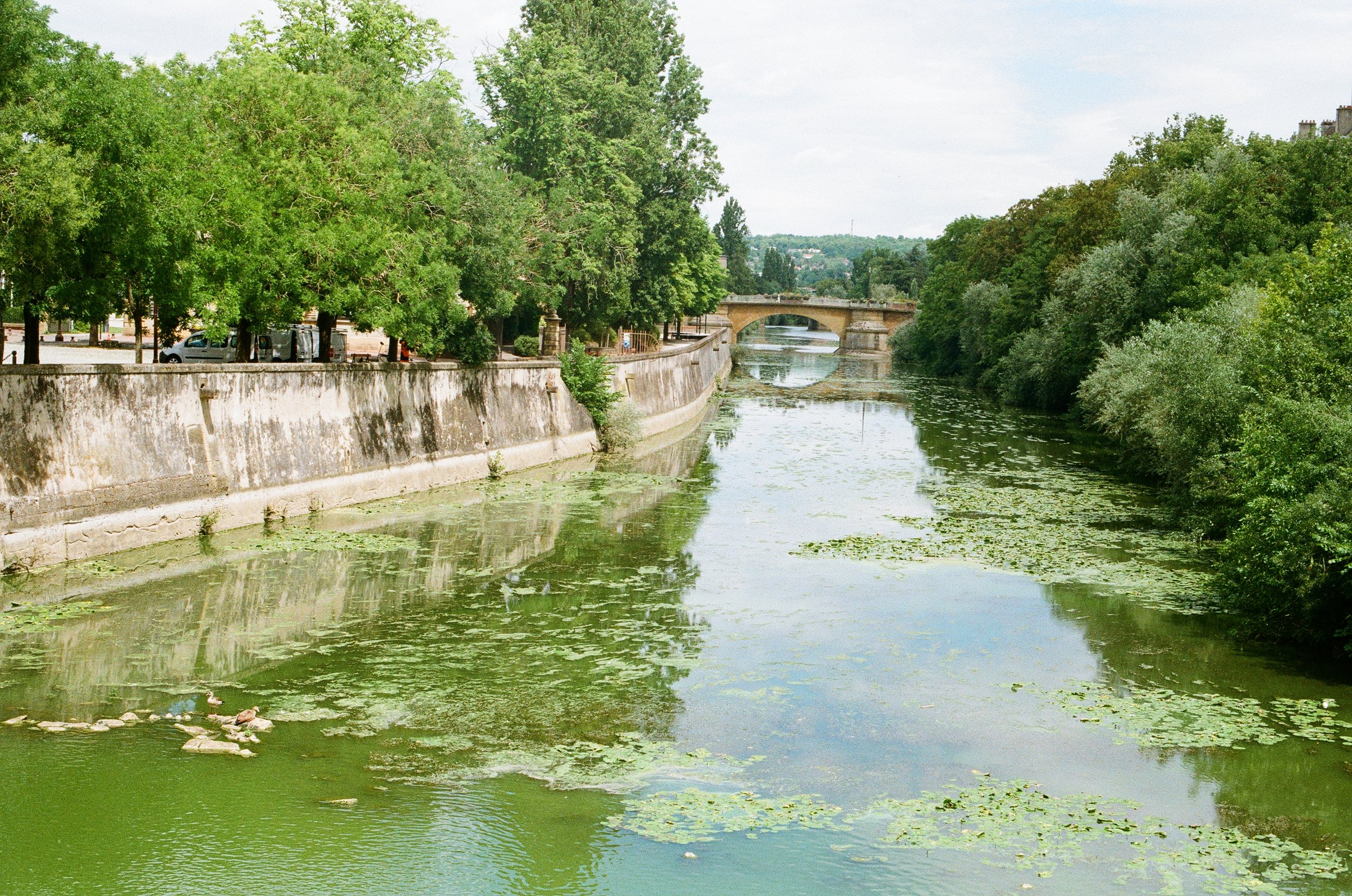
Pushing the limits of a 100 speed film
Exposure Latitude
Like most Kodak colour negative films, ProImage 100 has a forgiving exposure latitude. It handles slight overexposure gracefully, often producing softer highlights and richer negatives that scan beautifully.
While it rewards accurate metering, giving it a little extra light generally produces excellent results.
Kodak ProImage 100 vs Portra 160
The obvious comparison is Kodak Portra 160.
Portra remains the benchmark for portrait photographers thanks to its incredible latitude and beautifully rendered skin tones. However, for many everyday shooting situations, the gap between the two films is smaller than the price difference might suggest.
During my testing, ProImage produced realistic colours, fine grain and excellent sharpness. Considering it costs around £5 less per roll than Portra 160, it represents outstanding value.
If you're photographing travel, landscapes or everyday life rather than commercial portrait work, ProImage 100 is an easy recommendation.
Is Kodak ProImage 100 Worth Buying?
Absolutely.
Kodak ProImage 100 doesn't receive the attention it deserves, yet it delivers image quality that comfortably punches above its price point. The fine grain, realistic colour palette and dependable performance make it a pleasure to shoot.
The biggest surprise for me was just how close the overall image quality feels to Kodak Portra 160 in many daylight situations. While Portra still has the edge in exposure latitude, finer grain and portrait work, ProImage offers excellent results at a noticeably lower cost.
With roughly £5 saved on every roll, those savings soon add up—especially if you shoot film regularly.
Final Verdict
Kodak ProImage 100 is one of the best-value colour negative films available today. It may not have the prestige of Portra, but it delivers beautifully natural colours, very fine grain and sharp, detailed images that are more than capable of satisfying enthusiasts and experienced film photographers alike.
It doesnt offer the nostagic film look that Kodak Gold does, and isnt as fine grained as Portra, but I was very happy with the results. Even when pushed to its limit (and perhaps more thanks to the light meter in my camera) I was able to get a couple of quite satisfactory shots once the sun had started to set.
I think ProImage may become one of my go to films. I like the look of the slightly more colour shift-y films like Gold, Lucky and OpticColour, but then I normally find myself reaching for Ektar or Portra when I want a reliable colour rendition but ProImage at its lower price point might just become a go to. Especially for holiday shots like these, where you want a reliable film thats cheap enough you can take a bunch of (helpful ProImage comes in packs of 5!)
If you're looking for a reliable daylight film that produces realistic results without stretching your budget, Kodak ProImage 100 deserves a place in your camera bag. It's a film I'll happily shoot again.