
Which Film For Beginners?
Exciting times, perhaps you’ve just found an old camera in an antique store, or perhaps you’re a master with the digital camera looking to try something new. Well welcome, it may seem daunting and first but everyone starts somewhere.
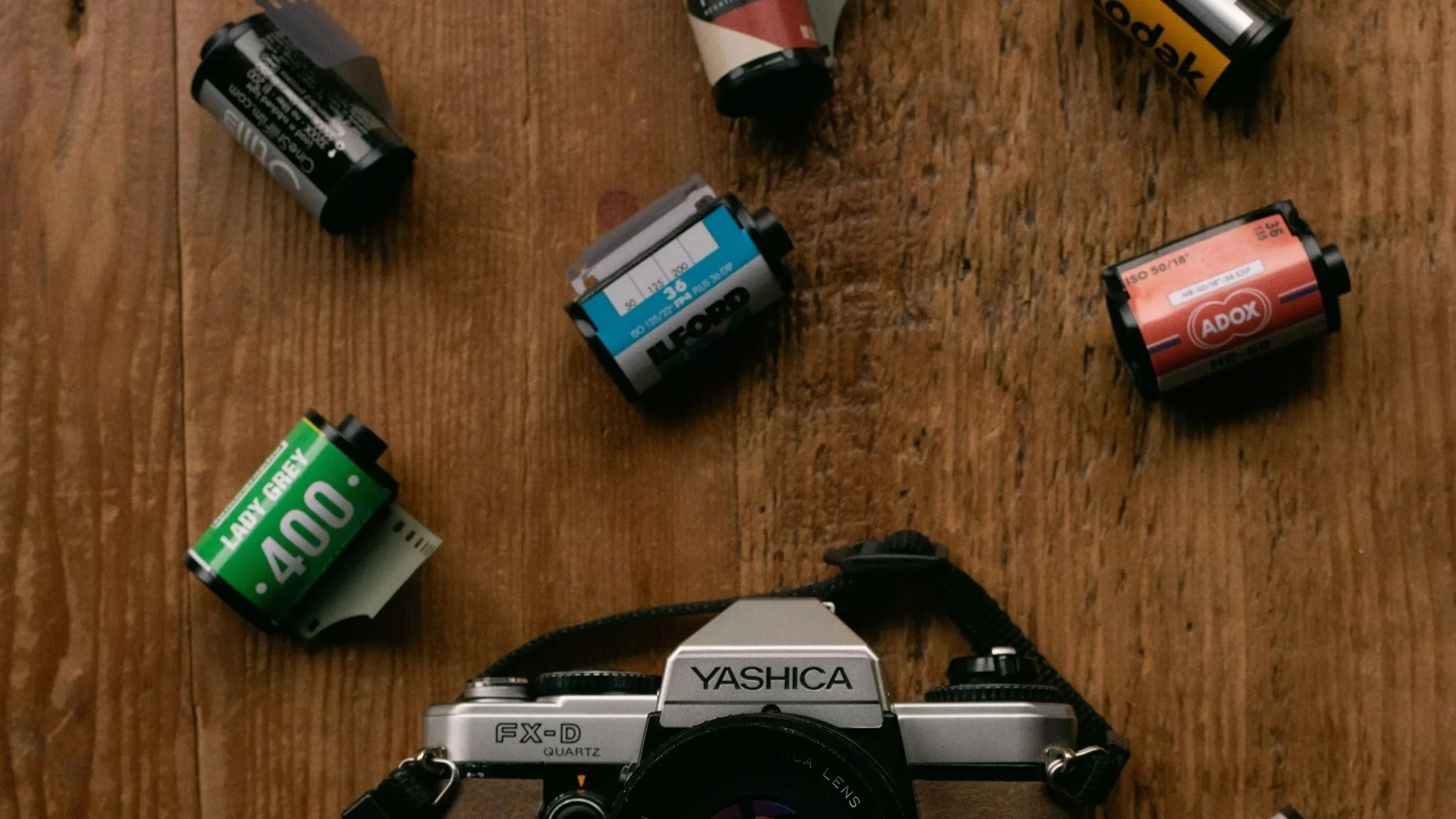
The first camera I owned was a Pokemon camera I got for Christmas one year. It superimposed Pokemon around the border of the photo. If 6 year old Michael could work it out then no doubt you will.
What Format?
This is the first question we need to answer, unless of course you dont have a camera yet. If you have a camera then you need to work out what format it takes. This can get quite tricky if its an antique camera but your best bet is to search the internet with any writing on the camera. If you have no luck contact us.
If you haven’t got a camera yet and want to instead get the film first, you do you, then 35mm is the way to go.
There’s a few reasons for this, its almost always cheaper and you get more photos out of the roll.
Just quickly, we dont want to bog you down with formats and codes but you’ll see film format listed in a few different ways.
135-36 and 135-24 are the same format, 35mm, that’s what the 135 means (don’t ask, you don’t need to know why its 135 yet but it is) the number that follows it is how many photos, or frames, you can take with that roll. so 135-36 is 35mm film which is long enough you can take 36 photos and 135-24 is 35mm that can take 24 photos. You can get half frame cameras which double this number by taking narrower photos.
120 is a medium format film. The number of images you can take will vary depending on the aspect ratio the camera is set up to take.
4×5, 8×10 etc. are large format sheet film where each sheet is one photo.
For beginners we recommend 35mm, the cameras are cheaper, the film is cheaper, developing it is cheaper.
Black & White or Colour?
A question as old as colour film.
This is where the photos you take become youre own, the choice is entirley your own. Hell you probably alread have an idea of what you want. Perhaps you think B&W is for old people or colour isnt as arty.
When looking at films its important to pay attention to the processing teh film needs
C41 is the most common colour process and will provide a negative of the image you’ve taken
E6 is for slide film and will produce a film with a positive image on it. Essentially you can shine light through it and project the image.
ECN-2 this is for colour motion picture film and is quite hard to find.
B&W most black and white films will be developed in black and white chemicals but some can be done in C41 which is normally to be cheaper.
What Do The Numbers Mean?
The numbers are the speed rating of the film. The higher the number the quicker the film is at capturing light, the smaller the slower. Film can start at 12 speed and go up to 3200. So in bright sunlight you want a slower film so you dont overexpose the film and in low light you want a fast film that can see quickly in the dark and actually capture something.
As a general rule:
50 to 100: Best for bright sunny days
200: Does well in sunny or slightly overcast day
400: good indoors or on cloudy days
800 to 1600: low light enviroments or where photographing fast moving objects and 400 speed would have too much motion blur
3200 and beyond: Night time photography
If you have a slow film that doesn’t mean you cant use it inside or at night, but the shutter will have to stay open for longer, which if handheld can make things blurry.
If you have a fast film either the shutter needs to be quicker, or you need to limit the ammount of light with a filter on the front of the lens.
All fun things to experiment with in the future but for your first few rolls its probably best to try and match the film speed to the enviroment you’ll be shooting in.
So What Films?
Now we’re talking…
Ilford HP5+
If you’re looking for a black and white beginner friendly film HP5+ is the place to start.
A wide exposure latitude means it can capture detail in lots of areas making it ideal for beginners as they begin to learn how to shoot film. Its also a favourite amongst professionals so when done right the results can be as good as they come.
Its also available in 24 exposure rolls which are good for beginners as they’re a bit cheaper which means you can buy a few rolls to try.
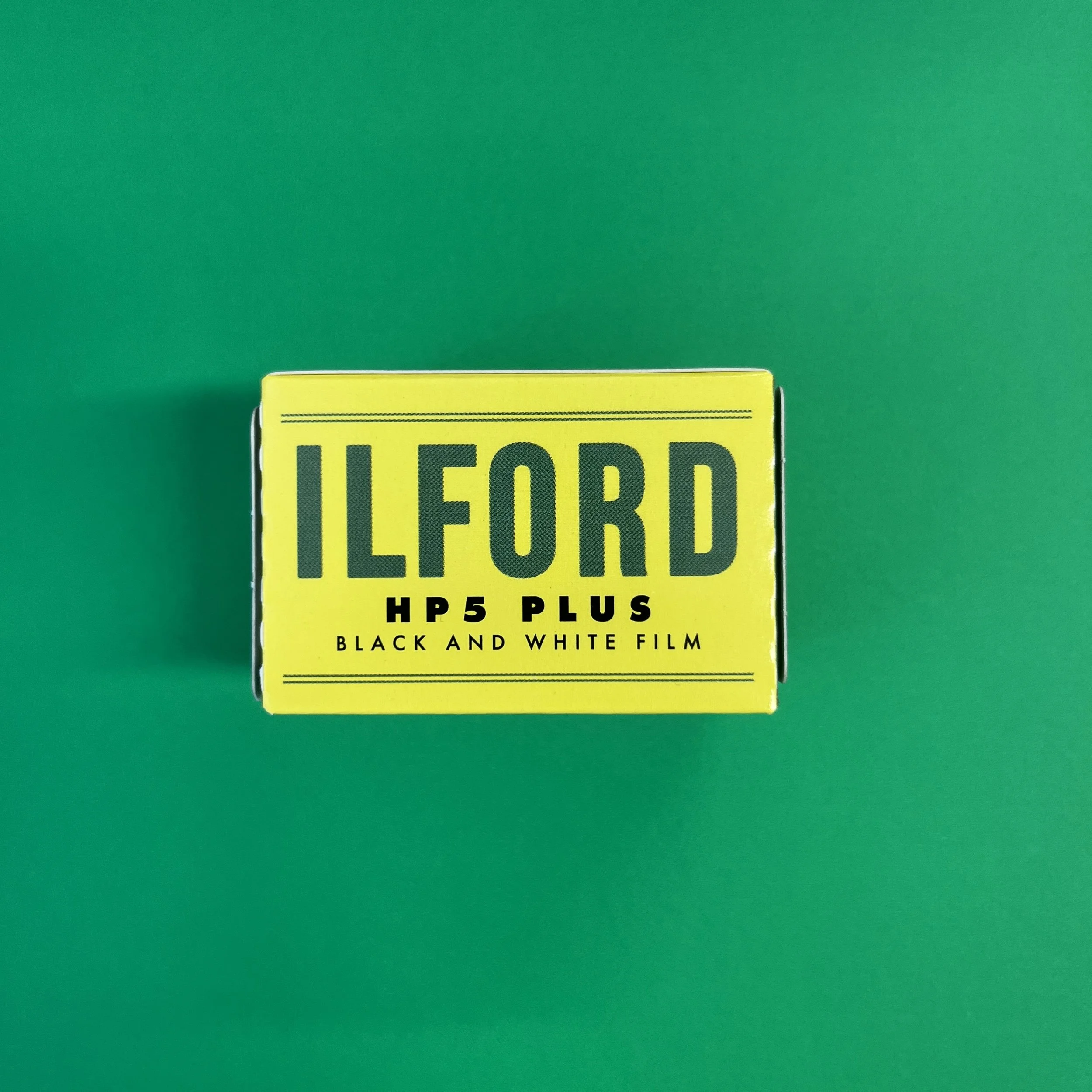
A favourite for a reason, HP5+ is an iconic film that delivers rich midtones by the bucket load and a grain structure that balances sharpness with grain. Its 400 ISO means its a great all rounder, shooting on overcast days or low-ish light environments.
Featured on our: Which Film For Beginners? and Best Film For Street Photography 2026
Format: 35mm
ISO: 400
Type: B&W Film
Exposures: 24 or 36
Pack: 1
DX Coded: Yes
Please note: The item you receive may not come in the package as shown.
Backed by our Quality Promise & 30 Day Returns Policy
FREE SHIPPING ON ORDERS OVER £50
Kodak Gold
A solidly priced film which offers a nice vintagey feel, Kodak Gold would be our choice for a first colour film. 200 speed means shooting it outside on a sunny day but thats were this film really comes to its own. It might not be the most professional-grade colour film but its fun and it offers a very filmy aestetic.
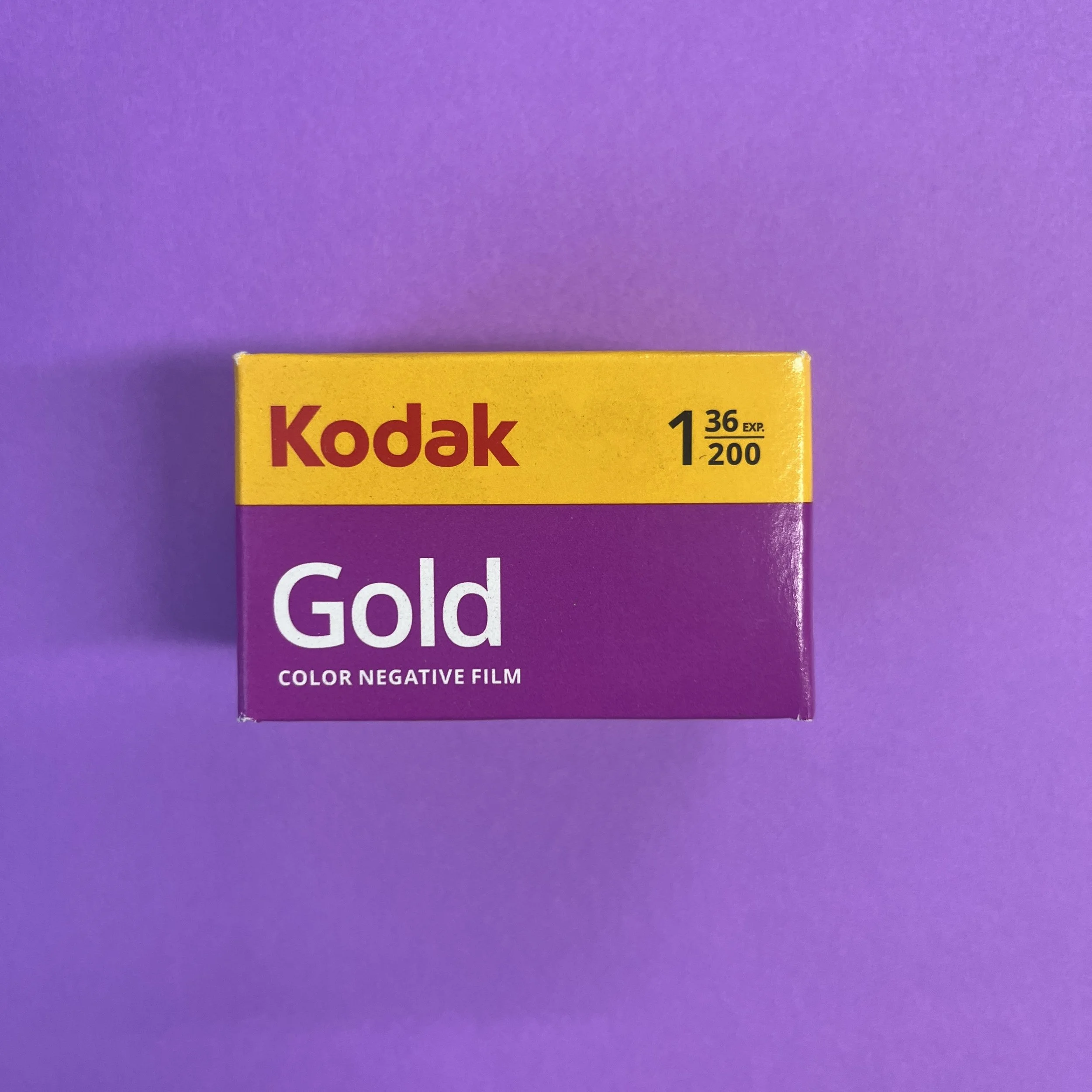

Kodak Gold is a fantastic film offering vibrant colours and a warm tone which makes it particularly suited to outdoor photography in sunny conditions.
Featured on our: Which Film For Beginners?,Best Film For Street Photography 2026 and Best Film For Landscapes 2026
Format: 35mm
ISO: 200
Type: Colour Negative Film
Exposures: 36
Pack: 1
DX Coded: Yes
Backed by our Quality Promise & 30 Day Returns Policy
FREE SHIPPING ON ORDERS OVER £50
Fomapan
Any Fomapan film will be a good shout for a beginner because its cheap and chips. Sure the results may not be HP5+ level but when you can buy two rolls for the same price as HP5+ its hard to argue with that.
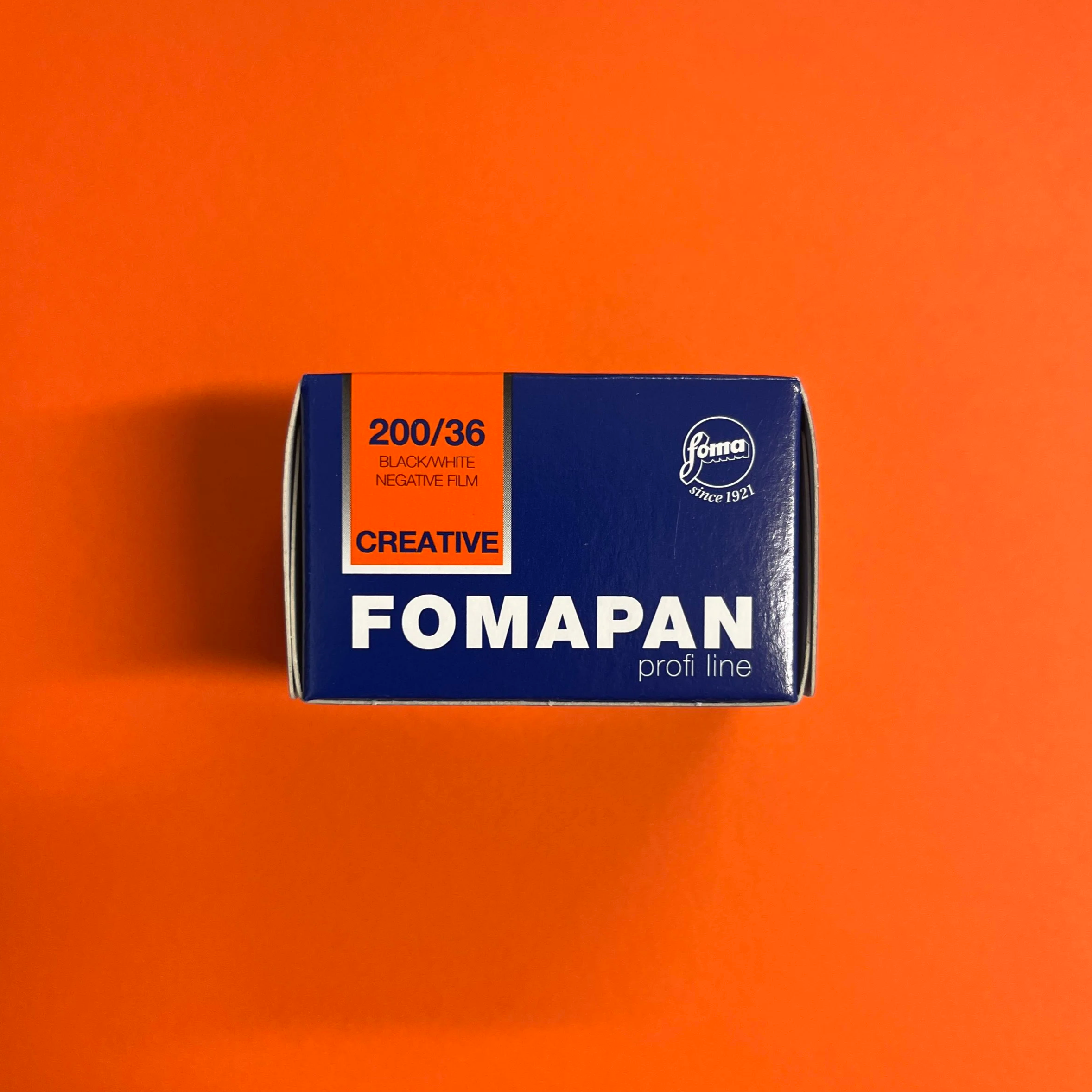
Fomapan 200 is a versatile black and white film, idea for a range of shooting conditions. Its fine grain and high resolution and delivers a vintage look. Not only is it a very budget friendly film it also has a good exposure latitude making it a good choice for beginners.
Featured on our: Which Film For Beginners?
Format: 35mm
ISO: 200
Type: Black & White
Exposures: 24 or 36
Pack: 1
DX Coded: Yes
Backed by our Quality Promise & 30 Day Returns Policy
FREE SHIPPING ON ORDERS OVER £50
Kodak ColorPlus
The final film on our list is ColorPlus. Like Gold its a 200 speed film suitable for shooting outside. Its colours are maybe a bit more accurate but this cleaness means it does loose some of the filmy charm that Gold has by the bucket load.
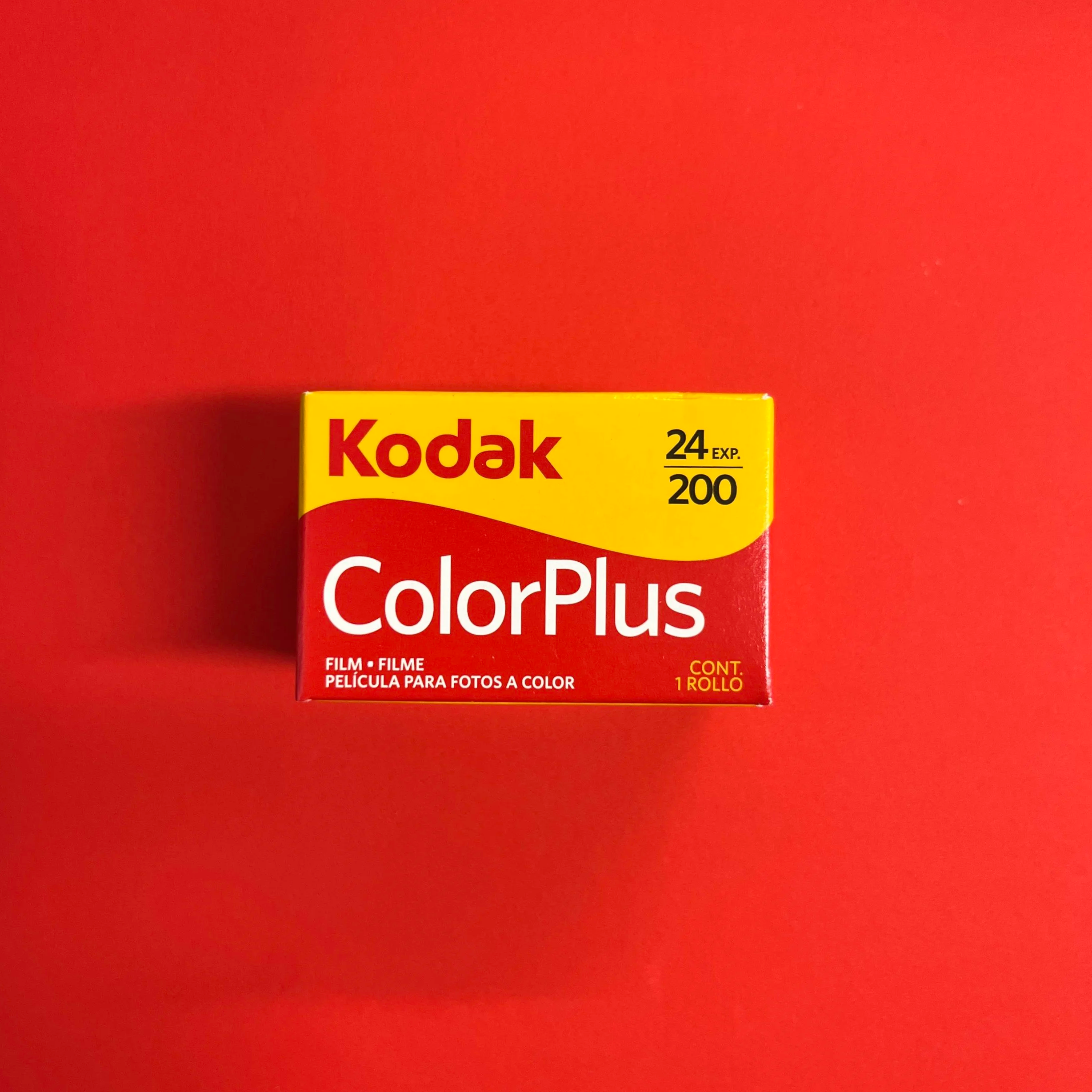
A great budget friendly colour film, favourited for its faithful colours and its forgiving exposure latitude. It performs best outside in sunny weather making it the perfect film for taking on holidays or chilling outside a sunny cafe.
Featured on our: Which Film For Beginners?
Format: 35mm
ISO: 200
Type: Colour Negative Film
Exposures: 24 or 36
Pack: 1
DX Coded: Yes
Backed by our Quality Promise & 30 Day Returns Policy
FREE SHIPPING ON ORDERS OVER £50